70 Faces of Torah
February 22, 2026
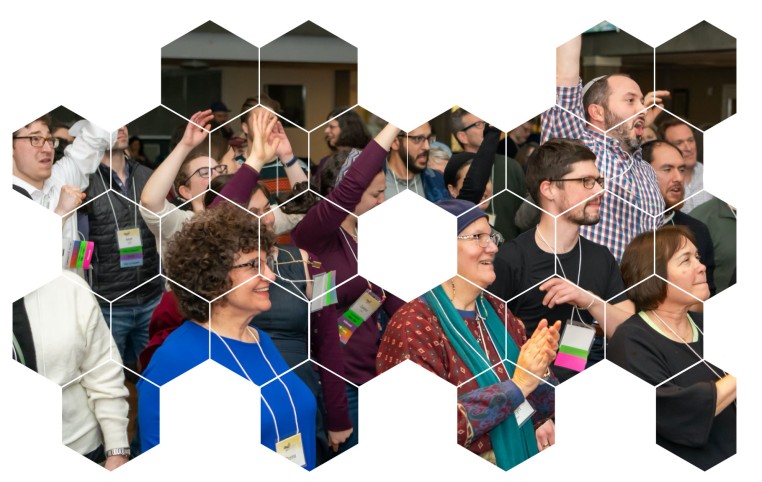
Join Rockland County both online and in person for a free day of Jewish Learning. This year study’s theme, 70 Faces of Torah, celebrates Judaism’s embrace of multiple and competing perspectives to enrich our understanding of the world, Torah, and ourselves!
9:30-10:30
- Ari Rosenblum
(Jewish Federation & Foundation of Rockland County)Tzitzit on the battlefield, Tehilim on the stage: How post 10/7 Israel has embraced Jewish spirituality and practice as never before.
Ari Rosenblum explores the emergence of new (and not so new) expressions of Jewish identity by a generation of Israelis who have been shaped by the battles of the last two years. They are unabashed in their love for the Jewish people, the land, and our heritage, and they are approaching each on their own terms.
10:45-11:45
-
Judith Rose
Jerusalem: City of Gold and of Tears
What is it about Jerusalem that has made her a spiritual vortex, a magnet, a lodestar of the imagination and the heart? Join Judith Rose for a shared inquiry into this question, and trace the biblical, historical, and spiritual history of this complex ancient/modern city through textual excerpts from Tanach and Midrash, song lyrics, and the poetry of Yehuda Ha’Levi, Yehuda Amichai and Leonard Cohen.
Note: We will cultivate Shalom Bayit (“Peace in the Home”) by placing politics outside the door!
-
Rabbi Douglas Sagal
(Temple Beth Sholom)The Angel at Birth
"The Angel" -"Niddah 30b is one of the most mysterious passages in the Talmud. It describes an Angel that accompanies us from conception to the moment of birth and then greets us again as our lives come to an end. We will study this story and how it influences Jewish views of reincarnation, Torah, and even Greek philosophy.
12:00-1:00
- Rabbi Shneor Zalman Haddad,
(Chabad Israel Center)Shushan, Iran & Israel: A tour of the Purim Story, Then and Now
(in Hebrew)
For Hebrew speakers- explore the Purim story both in ancient Shushan and modern Israel. How is the story the same? Who were/are the characters? What were/are the miracles?
- Rabbi Molly Karp,
(S.A.J.E.: Senior Adult Jewish Education)Recognizing the Good: Hakarat HaTov
Life can be challenging, and can be filled with unpleasantness, grief, sorrow, and unhappiness. Recognizing the good is a way to shift our attention from what is wrong to what is right; what is good in life and in other people as opposed to what is bad. This practice can actually help us to be kinder, happier, and more satisfied with our lives as they unfold. We will explore and discuss this Jewish practice together.
Register Today