
F1. Class filled, registration not available
From Statehood to Today and Beyond: Israel from 1948 to the 21st Century
Wednesdays, 9:30-10:45
- Instructor: Leslie Goldress
- 12 sessions in person
(online participation allowed only if necessary) - Cost: $210
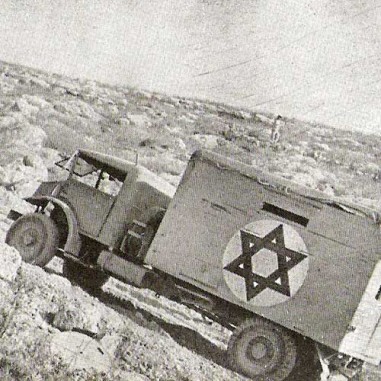
This course will examine the development of Israel from its founding in 1948 to the present day. Topics include the 1948 war and other major military engagements (1956, 1967, 1973, 1982) and subsequent conflicts; relations with neighboring Arab states; the rise of the Palestinian national movement; and the numerous attempts at peace. Various social issues, including the absorption of immigrants, and the secular-religious divide will be studied. We will explore these issues thru the eyes Israel’s prime ministers to see their personal impact and leadership during Israel’s past 78 years.
F2. Mindful Jewish Living
Thursdays, 9:30-10:45
- Instructor: Rabbi Molly Karp
- 12 sessions in person or online (hybrid)
- Cost: $210
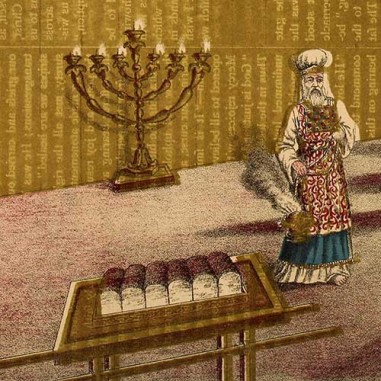
Traditionally called Mussar, this is a thousand-year-old Jewish system for personal growth and character improvement. The contemporary approach to traditional Mussar texts is infused with Jewish mindfulness practice, and offers a renewed traditional practice that can help us to become truer to our highest selves.
Focusing on Soul Traits such as patience, loving kindness, generosity and more, Mussar provides a Jewish approach to the kinds of questions a thinking person asks about life: How can I avoid making the same mistakes again and again? How can I get better at caring for myself and others? How can I become a better version of myself? If there are areas of your character you want to improve, Mussar is a great way to get there.
No previous knowledge of Mussar is needed.
F3. Yehuda Amichai: Poems of Jerusalem
Thursdays, 11:00-12:15
- Instructor: Rabbi Jill Hackell
- 10 sessions in person or online (hybrid)
- Cost: $180
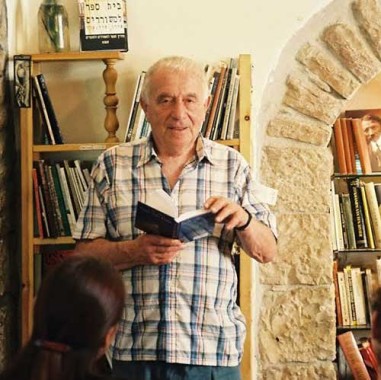
Yehuda Amichai (1924 – 2000) wrote poems that so captured the feeling of modern Israel that Israeli soldiers have often carried Amichai’s poetry in their pockets when they go for their military service.
This class will read Amichai’s Poems of Jerusalem - in class in English translation - and work together to understand the imagery and emotions that he captures so well within his short poems. The poems will also be available in their original Hebrew – so Hebrew speakers are invited to participate and add to our understanding of the poems.
These poems are quite accessible even if you do not usually read poetry. The experience of reading poetry in a group means that you are not alone in making sense of it, and everyone benefits from the connections and images that each member of the group provides.
Instructor Bios
Leslie Goldress
Leslie Goldress has taught Melton and Midreshet since their inception in Rockland. A Jewish educator for over 50 years, she has a graduate degree from the Jewish Theological Seminary. Leslie served as Educational Director of the New City Jewish Center for over 20 years. She has taught Dramas of Jewish Living, a Florence Melton School of Adult Jewish Learning core class, Melton graduate courses on American Jewish Experience, Contemporary Jewish Issues, Israel, and the Development of the Jewish Denominations.
Dr. Rabbi Jill Hackell
Dr. Rabbi Jill Hackell received her M.D. degree from Johns Hopkins School of Medicine and practiced pediatrics for several years. She worked for over 20 years in the pharmaceutical industry, where she did clinical research on new vaccines for children. She was ordained at the Academy for Jewish Religion, a pluralistic rabbinical school. Rabbi Hackell has served as rabbi at the West Clarkstown Jewish Center and is currently working in the role of Associate Rabbi at Congregation Sons of Israel in Nyack, with rabbinic and teaching responsibilities. She also teaches Jewish Bioethics at AJR, secular Bioethics at Dominican University in the Graduate Nursing program, and has taught a wide range of subjects at the Federation Midreshet since 2012.
Rabbi Molly Karp
Rabbi Molly Karp was ordained as a rabbi at the Academy for Jewish Religion in Riverdale, NY. She spent ten years in doctoral studies in Hebrew Bible at the Jewish Theological Seminary. Rabbi Karp holds a Master’s degree in Jewish Education from HUC-JIR in New York and a BA in Judaic Studies from SUNY Binghamton. Her training in Mindfulness Practice and Jewish Spirituality at the Institute of Jewish Spirituality is at the heart of all of her work.
Financial need scholarships and spouse discounts are available.
For more information, contact Barry Kanarek at [email protected] or (845)362-4200 ext 170.